
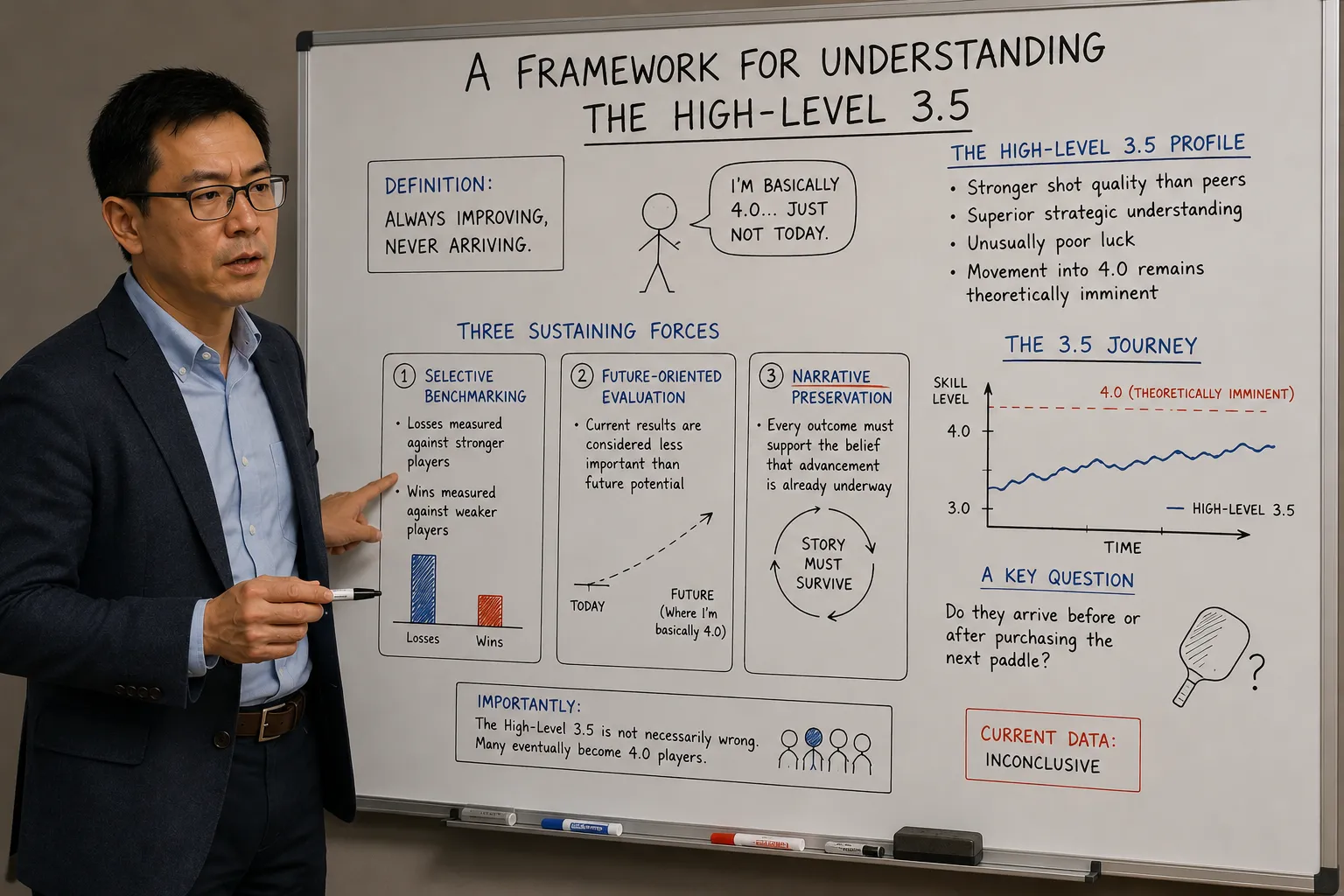
A Framework For Understanding The High-Level 3.5
For years I assumed the High-Level 3.5 was a rating category. Further analysis suggests it is an identity: always improving, never arriving.

Equipment Editor & Senior Analyst
Column: The Equipment Brief
Equipment, player behavior, and the economics of recreational competition.
Marcus Chen joined The Pickle Post in 2025 following what he continues to describe as a "strategic departure" from a Big Four consulting firm. He began on the equipment beat and has since expanded into the role of senior analyst, a title he proposed, defined, and approved.
Chen still oversees equipment coverage and writes The Equipment Brief, but he no longer publishes reviews of specific paddles, citing "unresolved methodological concerns about the format" — a refusal that comes, colleagues note, from the single person on staff most qualified to do otherwise. His output is instead devoted to what he calls "the measurable side of recreational irrationality": rankings, market analysis, behavioral studies, and a growing library of annual reports issued with the gravity of a firm that does not exist.
His analysis leans heavily on proprietary instruments, among them the Recreational Frustration Matrix™, the Competitive Delusion Index™, and the Chen Partnership Stability Scale™. The trademark applications remain, in every case, pending.
Chen does not say "I think." He says "the data suggests," "testing indicates," or "observed behavior supports," a convention he maintains regardless of whether data, testing, or observation occurred. Colleagues note he is capable of converting any sentence about a person into a sentence about a quadrant.
He is best known for applying consulting-grade frameworks to situations that do not appear to require them, and for a foundational belief that once a behavior has been categorized it has also been understood. This is not always true. Reggie Coleman has, on more than one occasion, dismantled an entire Chen framework in a single sentence.
He currently owns 47 paddles.
The number is no longer considered central to the story.
For years I assumed the High-Level 3.5 was a rating category. Further analysis suggests it is an identity: always improving, never arriving.
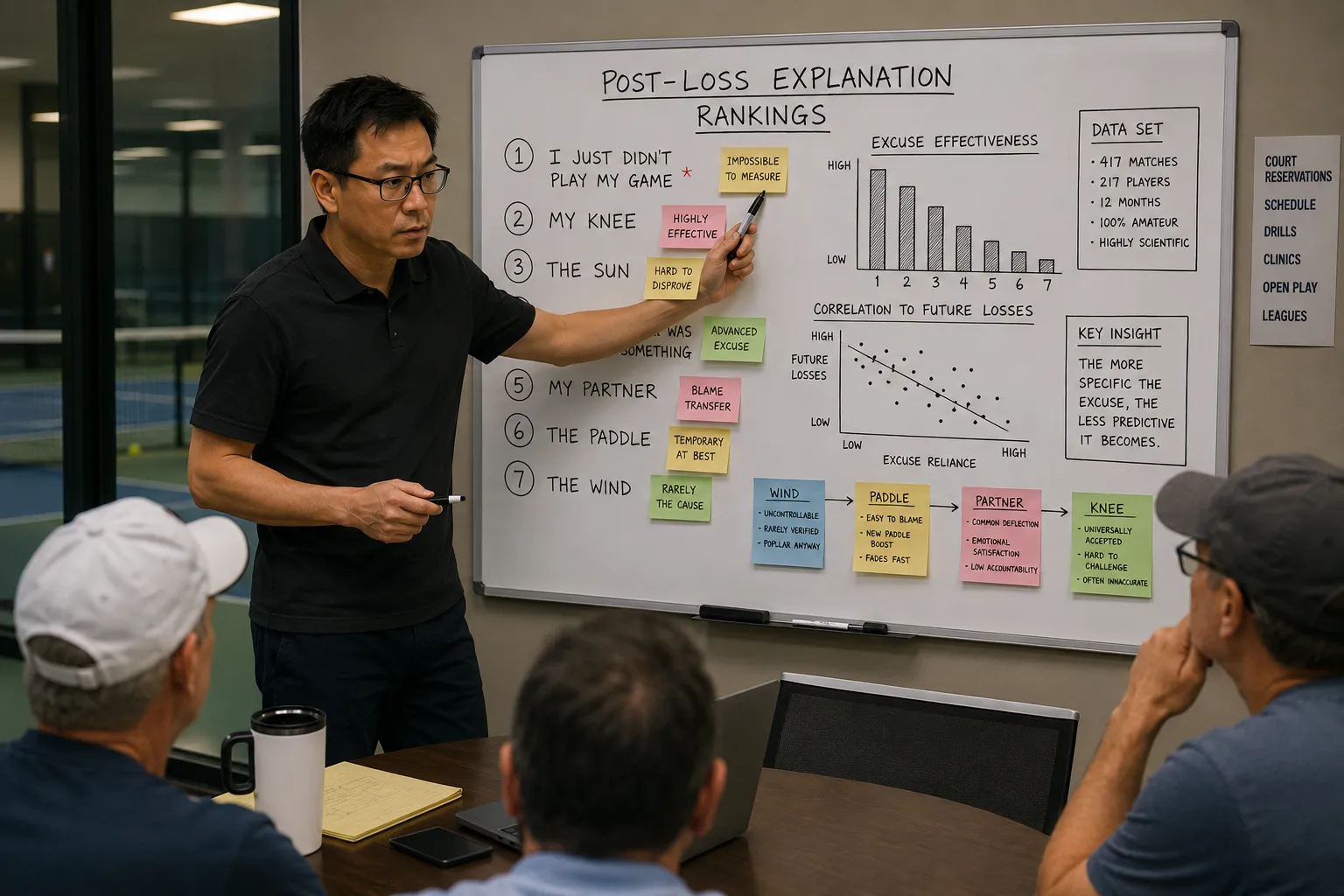
Not all excuses are created equal. After cataloging 417 post-loss explanations over twelve months, the seven most telling are ranked by predictive value — from the wind to "I just didn't play my game."

DUPR acceptance follows a predictable four-stage progression — rejection, investigation, negotiation, acceptance. The data suggests no known cure.

The Recreational Confidence Index reached a yearly high this quarter despite no corresponding performance gains — a widening confidence-results gap the sector remains optimistic about.
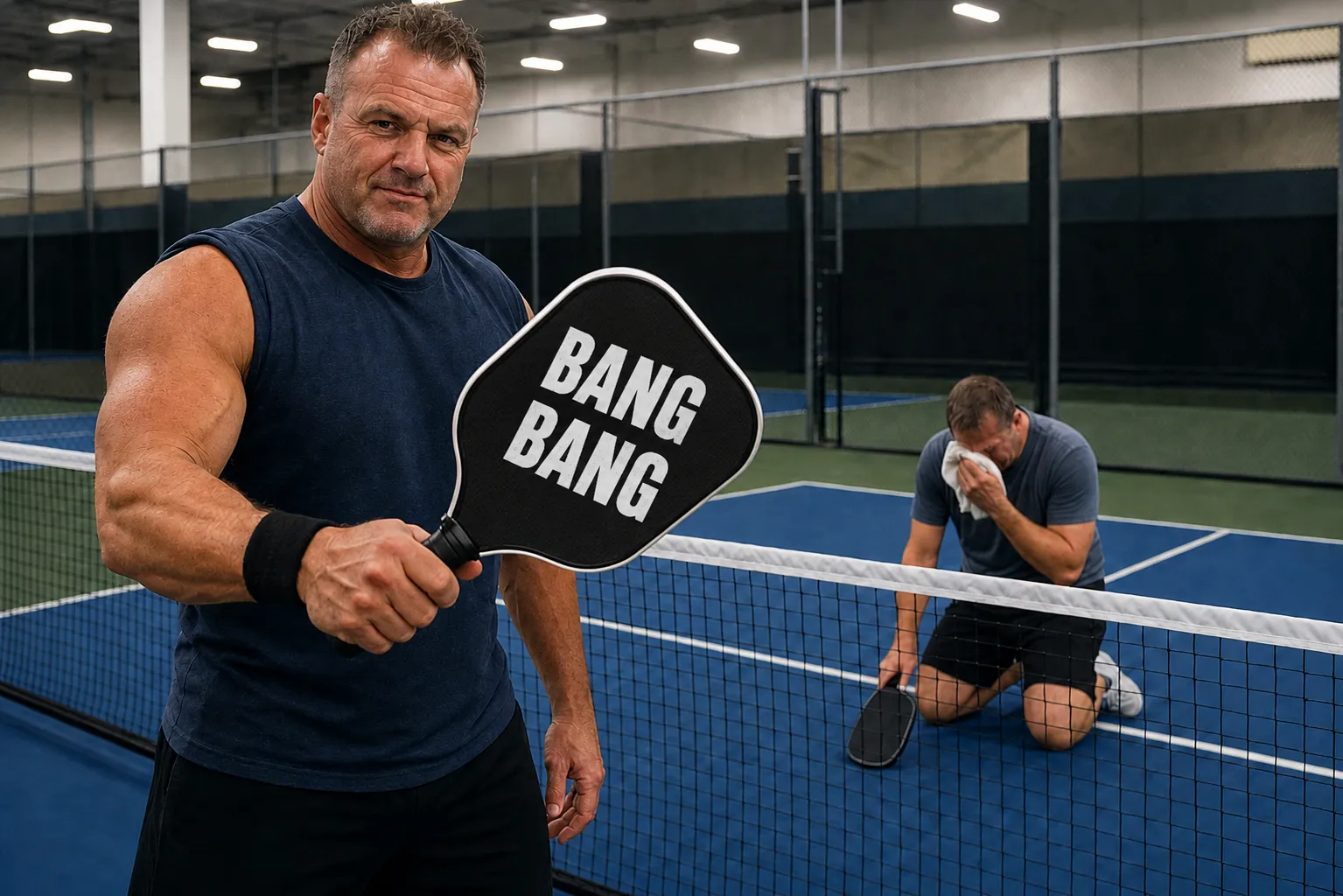
The banger is not a player. The banger is a system. And like any system, the data suggests, he can be modeled, contained, and — eventually — disappointed into submission.
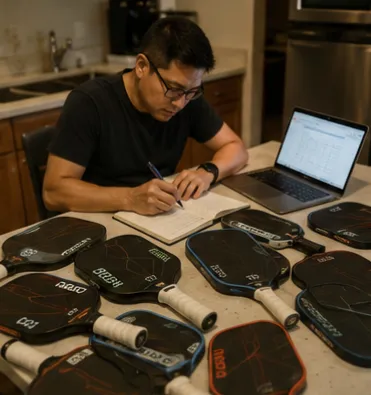
Local 4.0 player Eric Dalton temporarily relocated to an Airbnb outside Scottsdale this month to conduct controlled-environment paddle testing after experiencing subtle but undeniable feel inconsistencies during rec play.
